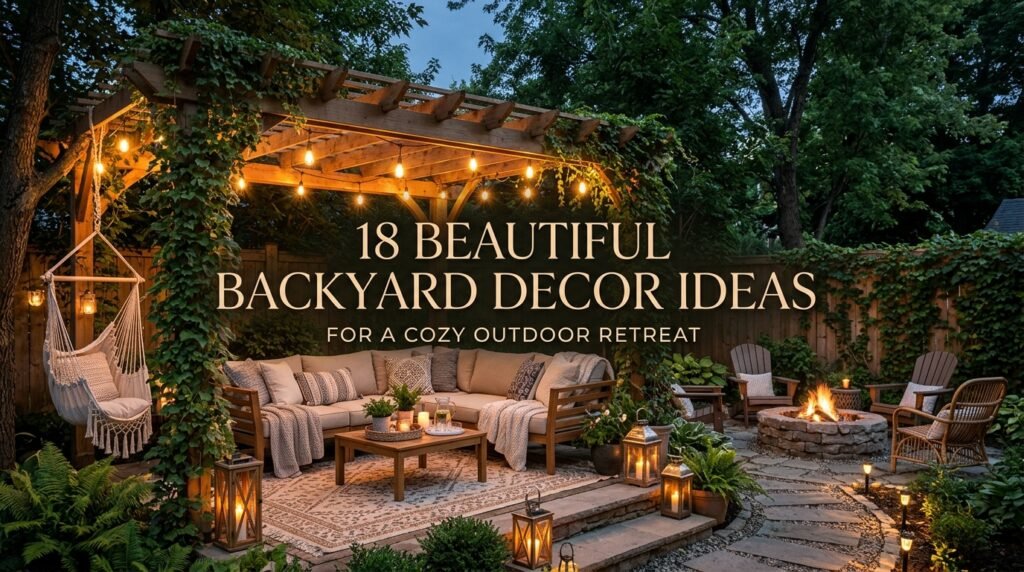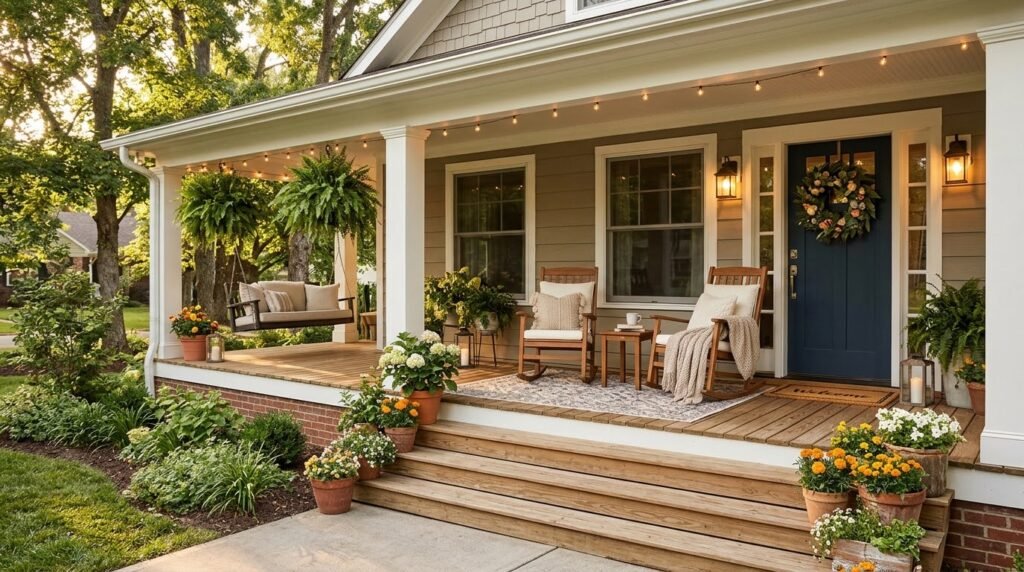
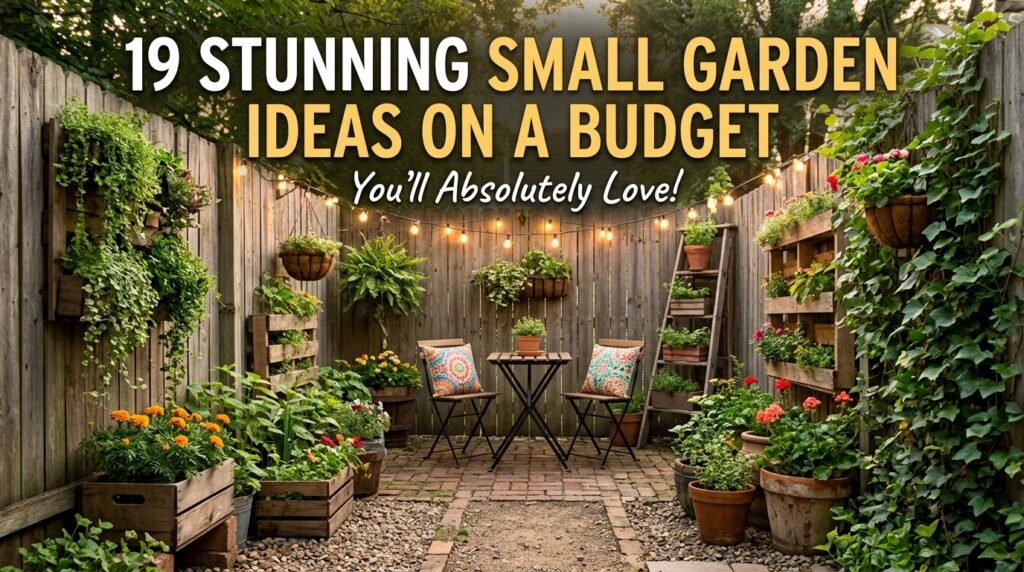
Having a small garden does not mean you have to miss out on the beauty of outdoor living. With thoughtful planning, creative storage, and affordable decorating solutions, even the tiniest backyard can become a peaceful and inviting retreat. Whether you have a compact patio, a narrow courtyard, or a little patch of greenery, there are countless ways to maximize your available space without overspending. From vertical planting and repurposed containers to cozy seating and charming outdoor lighting, these small garden ideas will help you create a beautiful outdoor sanctuary where you can relax, reconnect with nature, and enjoy everyday moments.
1. Design a Practical Layout Before Decorating Your Garden
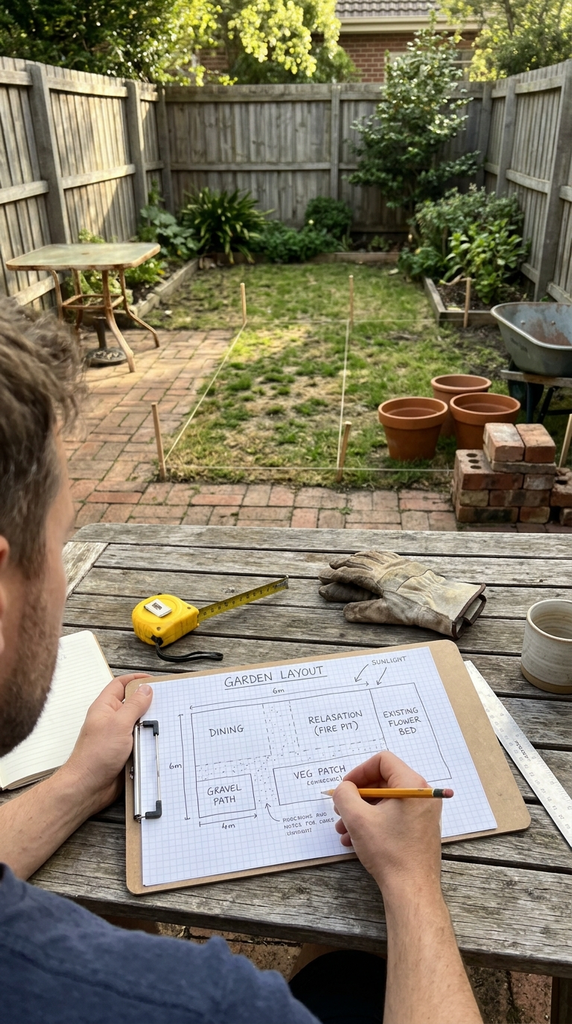
A well-planned layout is the foundation of a beautiful small garden. Before purchasing furniture or plants, measure your outdoor area and identify how you would like to use the space.
Consider creating separate areas for relaxation, gardening, and outdoor dining. Even a compact backyard can accommodate multiple activities when each section has a clear purpose.
Observe how sunlight moves across your garden throughout the day to determine the best locations for plants and seating.
Make use of existing features, such as fences, patios, and established flower beds, rather than replacing everything. Reclaimed materials, affordable gravel, and plant cuttings from friends can help reduce expenses while creating a thoughtfully designed garden.
2. Invest in Space-Saving Multifunctional Garden Furniture

Furniture that serves multiple purposes is particularly valuable in a small garden. Instead of filling your outdoor area with separate storage units, tables, and seating, choose pieces that combine functionality with comfort.
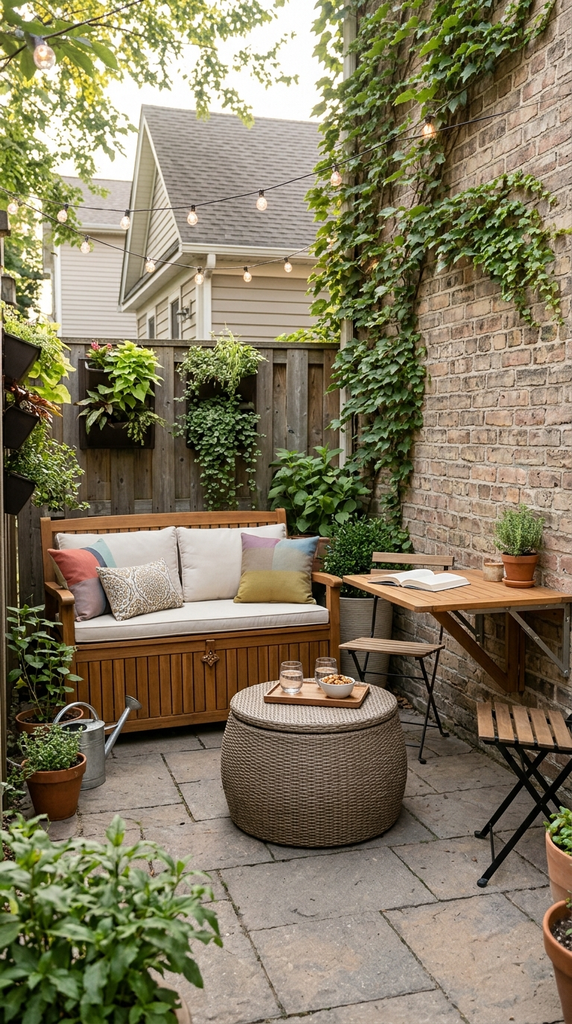
An outdoor storage bench provides a comfortable place to sit while keeping gardening tools, cushions, and other accessories neatly organized.
A weather-resistant storage ottoman can double as a small coffee table or additional seating when guests visit.
Consider installing a fold-down table against a suitable exterior wall if you enjoy outdoor dining but have limited space.
Choose furniture that fits the proportions of your garden and can be easily rearranged. This allows your outdoor area to adapt to different activities without feeling overcrowded.
3. Transform Everyday Items Into Creative Garden Planters
You do not need expensive decorative pots to create a beautiful container garden. Repurposing items you already own is an affordable way to introduce personality and charm into your outdoor space.
An old wheelbarrow can become a delightful flower display, while a weathered wooden crate can accommodate herbs or colorful seasonal plants.
Unused farmhouse sinks, wooden barrels, and sturdy metal containers can also be transformed into distinctive garden planters.
Before planting, ensure each container has adequate drainage and is made from materials suitable for its intended use. Avoid containers previously used for hazardous chemicals, particularly when growing edible plants.
Arrange your repurposed planters at different heights to create visual interest and give your garden a charming, collected appearance.
4. Position Garden Seating Along Walls and Fences

Placing seating around the perimeter of your garden is a practical way to preserve valuable space in the center. This arrangement creates a more open layout while providing a comfortable area for relaxation.
Consider positioning a narrow wooden bench against your garden fence or along an existing flower bed.
If you enjoy DIY projects, reclaimed timber can be used to construct a sturdy garden bench with properly secured supports.
Introduce weather-resistant cushions and a small side table to make the seating area more inviting.
Choose materials that complement your fence and surrounding plants. By keeping larger furniture close to the garden boundaries, you can maintain comfortable walking paths and make your outdoor space feel more spacious.
5. Grow a Beautiful Vertical Garden With Climbing Plants
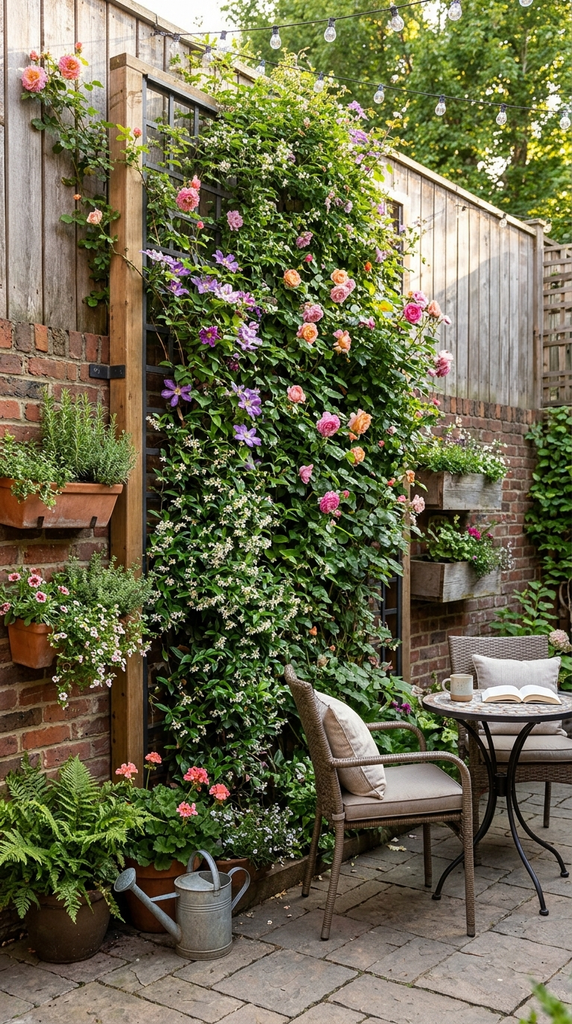
Vertical gardening is one of the most effective ways to introduce more greenery into a compact outdoor area. Instead of relying entirely on ground-level flower beds, use your walls and fences to support beautiful climbing plants.
Install a wooden or metal trellis along an empty fence and choose climbing varieties suited to your local climate and sunlight conditions.
Climbing roses, clematis, and suitable varieties of jasmine can create a beautiful natural backdrop for your seating area.
Wall-mounted planters are another option for growing herbs and smaller flowers without occupying much ground space.
Make sure supporting structures are securely installed and provide enough room for plants to mature. A well-maintained vertical garden can soften hard surfaces while creating a lush, inviting atmosphere.
6. Arrange Colorful Plants in a Charming Container Garden
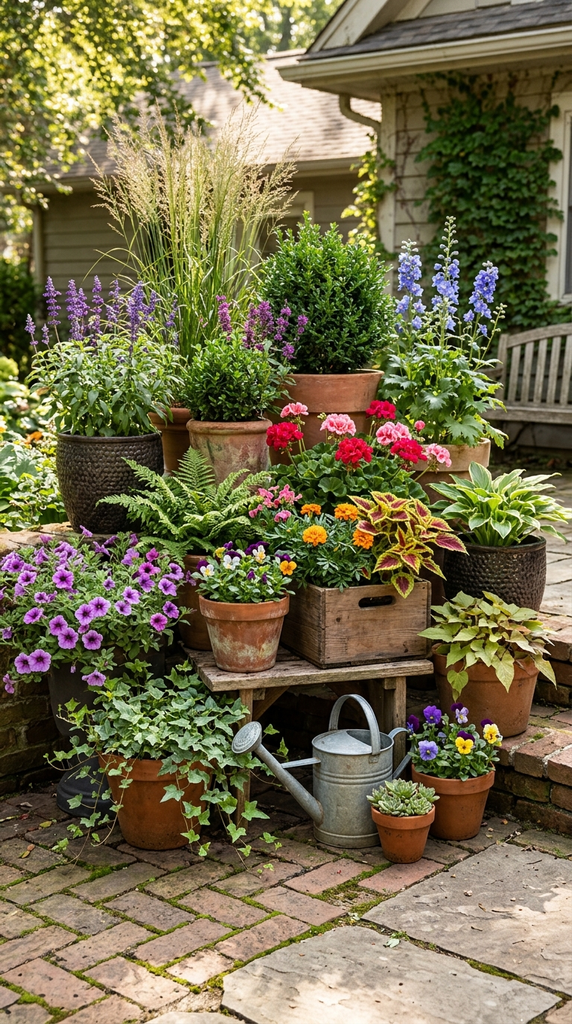
Container gardening offers flexibility, making it especially suitable for small backyards, patios, and rental properties. You can rearrange your plants throughout the year without making permanent changes to your outdoor space.
Start with a collection of terracotta pots, affordable resin planters, or repurposed containers in complementary colors.
Combine seasonal flowers with ornamental grasses, compact evergreen plants, and foliage varieties that thrive in your garden’s conditions.
Arrange taller containers toward the back and smaller pots toward the front to create a layered appearance.
Choose plants with similar watering and sunlight requirements when grouping them together. Ensure every container has proper drainage. A thoughtfully arranged container garden can provide color, texture, and greenery even when traditional flower beds are unavailable.
7. Replace High-Maintenance Lawn Areas With a Cozy Patio
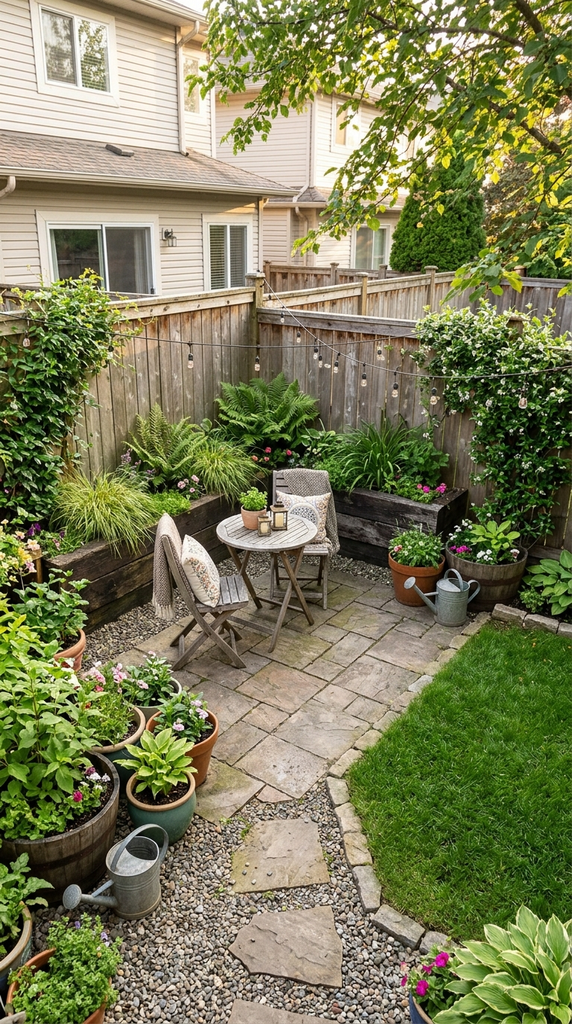
A traditional lawn is not always the most practical choice for a very small garden. If your outdoor area is frequently used for dining, entertaining, or relaxation, replacing part of the grass with a functional patio may better suit your lifestyle.
Affordable gravel, reclaimed paving stones, or appropriately installed decking can provide a comfortable foundation for outdoor furniture.
Introduce greenery through container plants, raised flower beds, and ornamental grasses to maintain a natural atmosphere.
A compact bistro set and a few carefully positioned planters can create a welcoming outdoor retreat.
Where possible, preserve permeable surfaces and provide adequate drainage to prevent water accumulation. You can also retain a small patch of lawn if you enjoy having grass beneath your feet.
8. Create a Magical Evening Atmosphere With Outdoor Lighting
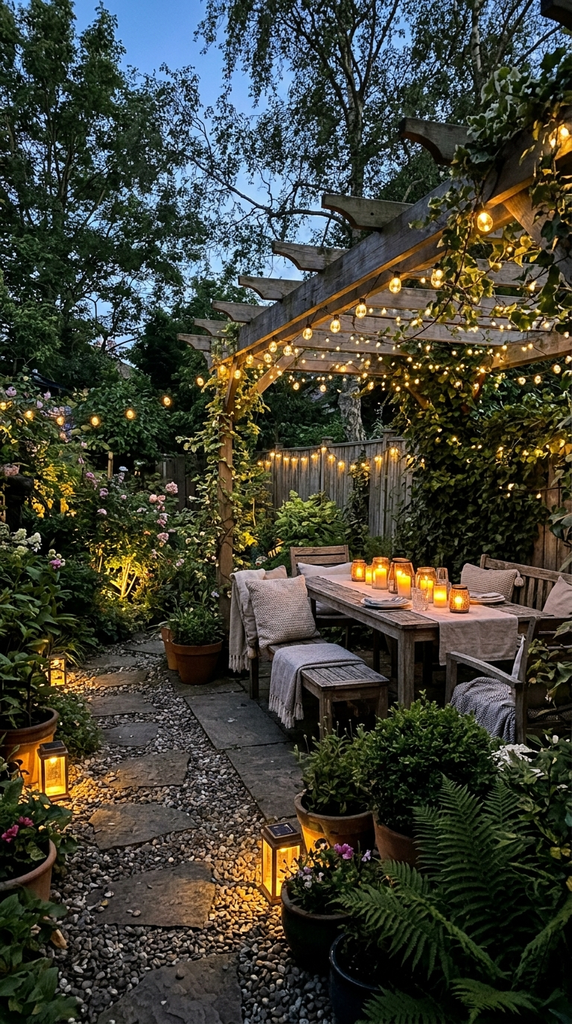
Thoughtfully placed lighting can transform a small garden into a welcoming space long after the sun goes down. It introduces warmth, highlights decorative features, and makes outdoor seating areas more enjoyable during the evening.
Hang outdoor-rated string lights along a fence, pergola, or suitable support structure to create a gentle overhead glow.
Solar-powered lanterns can illuminate pathways and planters without requiring additional electrical wiring.
Place battery-operated candles on your outdoor dining table for a soft, relaxing atmosphere.
Choose warm white lighting rather than overly bright fixtures if you prefer a cozy garden aesthetic. Keep pathways adequately illuminated for safe movement, and ensure all electrical products are suitable for outdoor conditions.
9. Build an Affordable Garden Path With Natural Materials
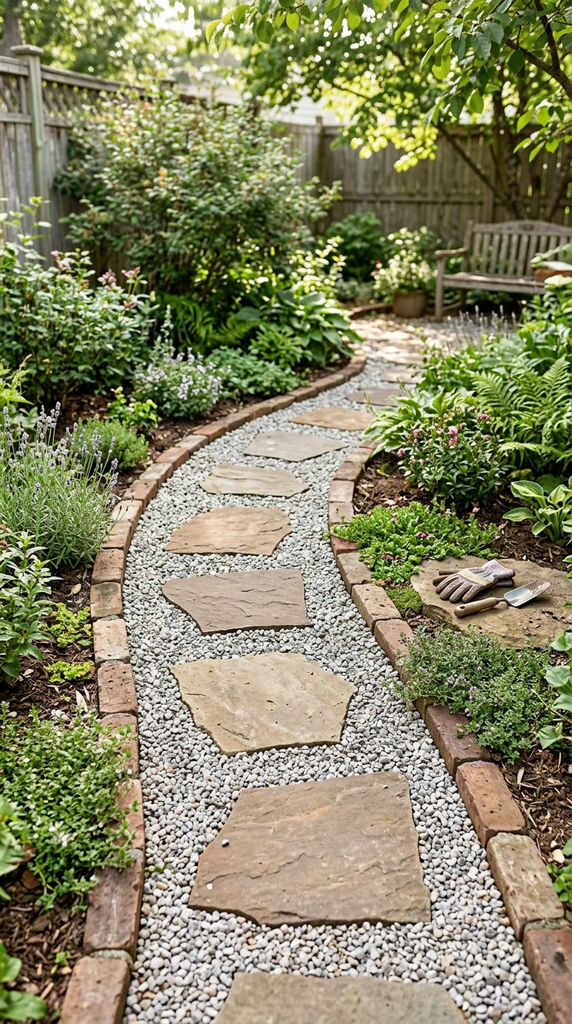
A small garden pathway can improve both the appearance and functionality of your outdoor space. It creates a clear route between different areas while protecting plants from unnecessary foot traffic.
Consider using gravel, reclaimed bricks, stepping stones, or suitable landscaping mulch to create an affordable walkway.
Arrange stepping stones through planted areas to introduce a charming cottage garden appearance. For a more contemporary look, combine rectangular paving stones with decorative gravel.
Prepare a stable foundation and choose materials appropriate for your garden’s drainage conditions.
Keep the pathway wide enough for comfortable movement and avoid uneven surfaces that could become tripping hazards. A thoughtfully designed walkway can make a compact garden feel more organized and visually interesting.
10. Furnish Your Patio With a Compact Bistro Set
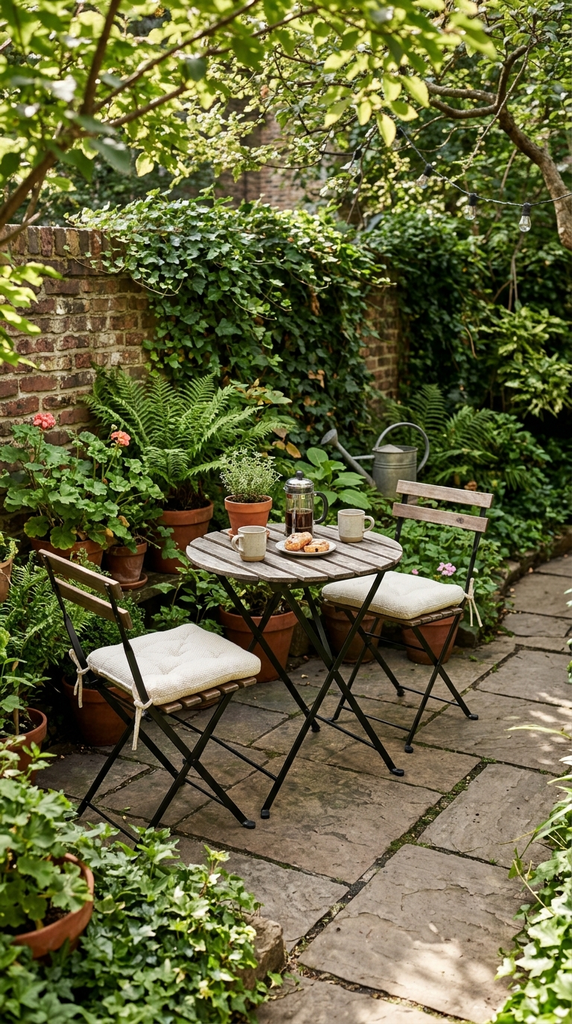
A small bistro set is an excellent addition to a garden with limited seating space. It provides a dedicated place to enjoy your morning coffee, share a meal, or relax outdoors without requiring a large dining arrangement.
Choose a round or square table with two appropriately sized chairs that fit comfortably within your patio area.
Foldable furniture is particularly useful because it can be stored away when additional space is needed.
Consider powder-coated metal for a classic garden look or weather-resistant wood for a warmer, more natural appearance.
Add comfortable seat cushions and a small potted plant to complete the arrangement. Before purchasing, measure the space needed to pull out chairs without blocking surrounding pathways.
11. Define Different Garden Areas With a Coordinated Color Palette
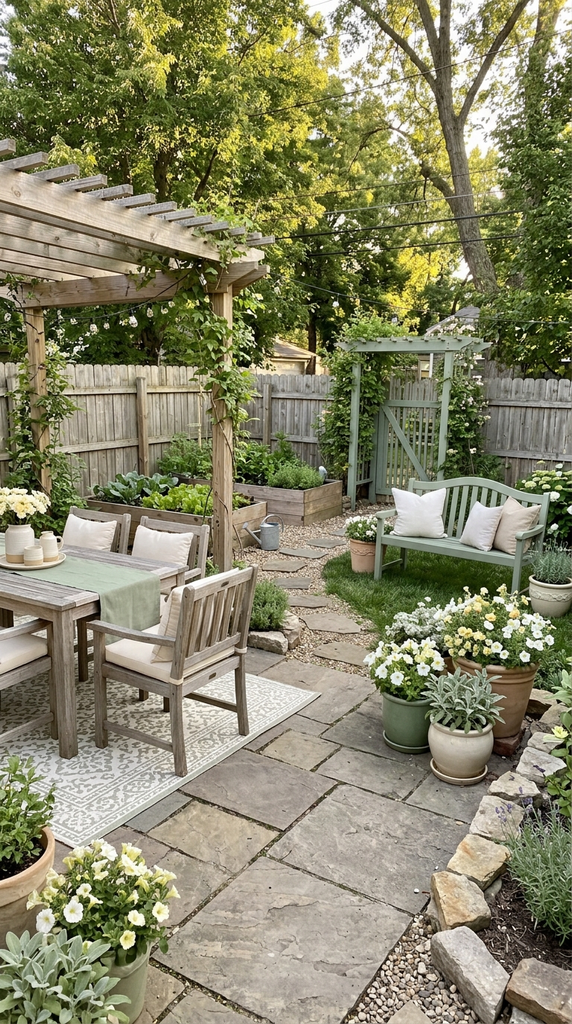
Color can help organize a small garden without introducing physical barriers that make the space feel enclosed. A carefully selected palette creates visual harmony while allowing individual areas to develop their own character.
Choose two or three main colors that complement your existing fence, patio, and outdoor furniture.
For example, sage green, cream, and natural wood can create a peaceful cottage-inspired atmosphere. Terracotta, olive green, and warm beige offer a beautiful Mediterranean-inspired alternative.
Introduce color through painted benches, outdoor cushions, decorative pots, and seasonal flowers.
Repeat selected shades throughout your garden to connect the different areas. This simple decorating technique can make even a modest outdoor space feel polished, cohesive, and intentionally designed.
12. Create a Relaxing Garden Corner With a Hammock
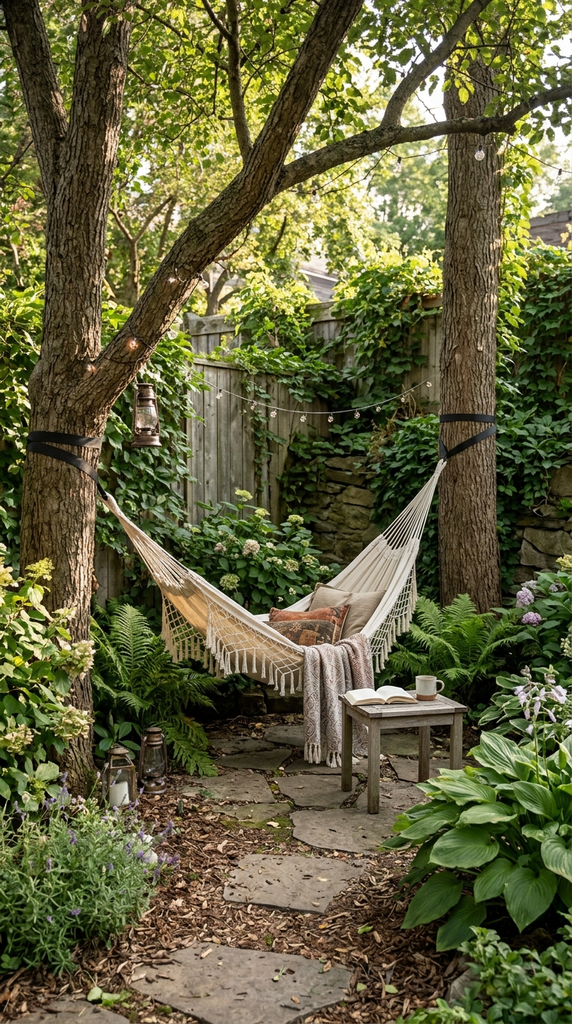
A hammock can introduce a peaceful retreat into a small garden without requiring a traditional lounge chair. Its suspended design creates a relaxed atmosphere while leaving the ground beneath it relatively open.
If your garden has suitable mature trees, a hammock may be installed using appropriate tree-friendly straps and following the manufacturer’s weight and installation requirements.
A hanging hammock chair can be a more compact alternative when space is particularly limited.
Choose weather-resistant fabric and introduce a comfortable cushion for additional support.
Before installation, confirm that the trees or supporting structures can safely accommodate the load. Allow enough clearance around the hammock and keep it away from obstacles. This cozy corner can become a lovely place for reading, resting, or enjoying quiet afternoons.
13. Connect Your Indoor and Outdoor Living Spaces
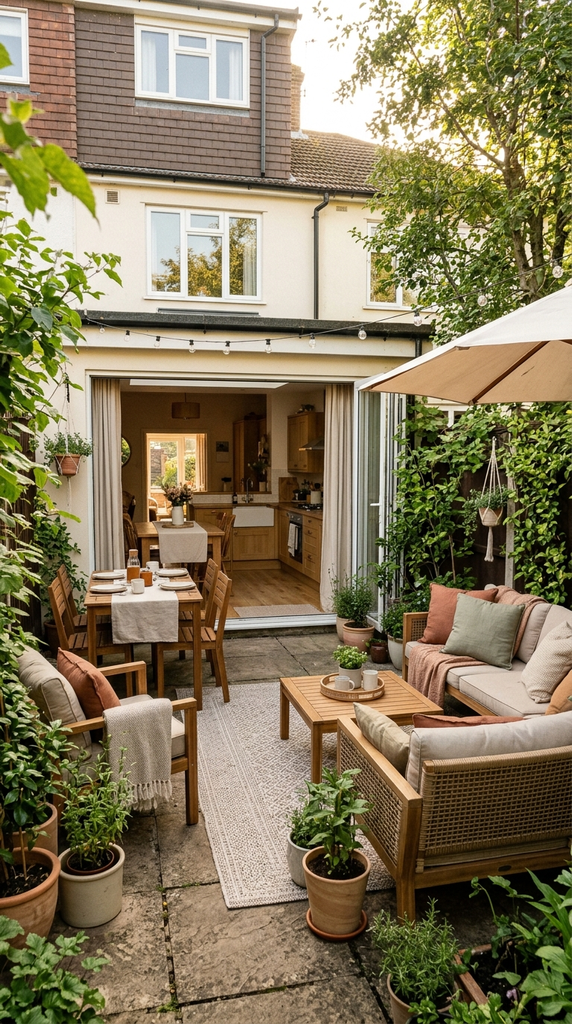
A small garden can become a natural extension of your home when the interior and exterior spaces share complementary design elements.
Begin by choosing outdoor furniture and accessories that reflect your indoor decorating style. Similar colors, natural textures, and coordinated finishes can create a more seamless visual transition.
Position a compact dining table near your kitchen entrance to establish a convenient outdoor eating area.
Introduce an outdoor rug, comfortable seating, and a few potted plants to make the garden feel like an additional living room.
If shade is needed, consider a suitable outdoor umbrella or professionally secured shade sail. Even without structural renovations, thoughtful furniture placement and consistent styling can help your indoor and outdoor areas feel beautifully connected.
14. Introduce a Peaceful Atmosphere With a Miniature Water Fountain
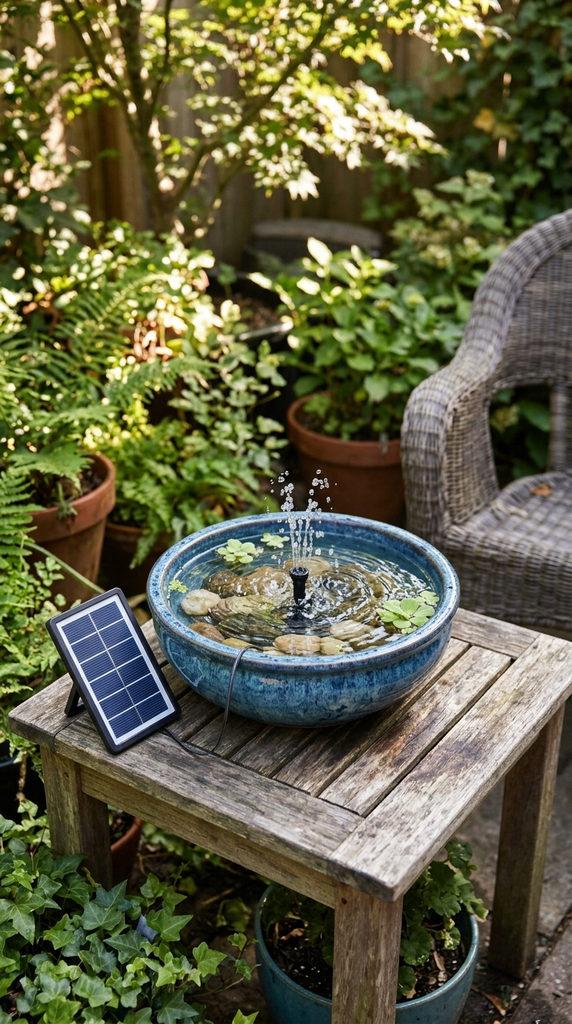
The gentle sound of moving water can bring a relaxing atmosphere to a compact garden. Fortunately, you do not need a large pond or elaborate fountain to enjoy this feature.
A small waterproof container paired with a suitable solar-powered fountain pump can create an attractive tabletop or patio water feature.
Choose a ceramic bowl, decorative planter, or purpose-made fountain container that complements your outdoor decorating style.
Position it on a stable surface where the solar panel receives adequate sunlight, following the pump manufacturer’s instructions.
Refresh the water regularly, clean the container, and prevent stagnant water from becoming a mosquito breeding area. A miniature fountain can provide a charming focal point without occupying much valuable garden space.
15. Make Your Small Garden Feel Larger With Outdoor Mirrors
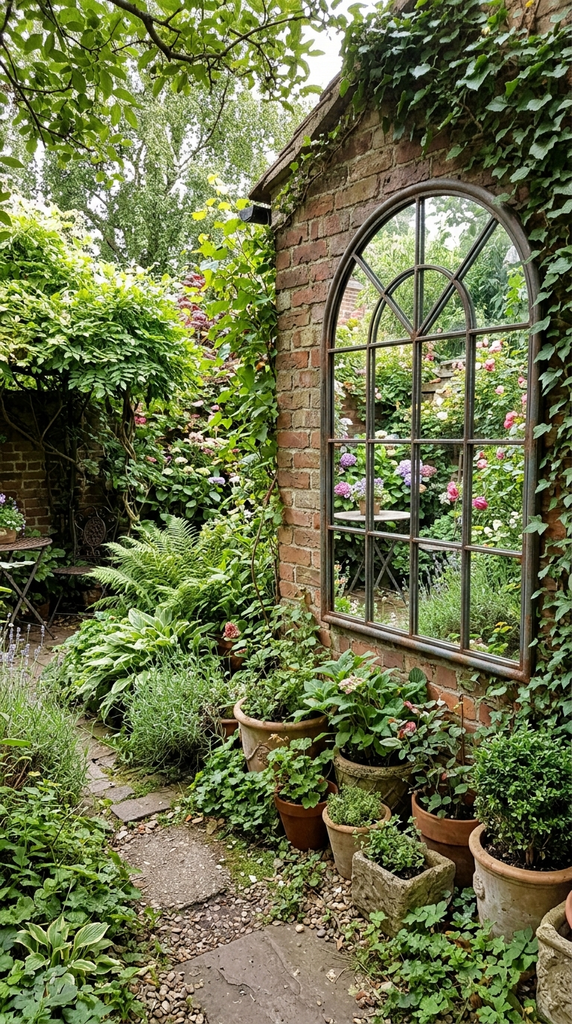
Mirrors are not limited to interior decorating. When used thoughtfully outdoors, they can create a greater sense of depth and reflect the beauty of surrounding greenery.
Consider placing an outdoor-rated arched mirror along a sheltered garden wall or fence. Position it to reflect plants, flowers, or another attractive garden feature.
A mirror with a window-style frame can introduce architectural character, particularly in a cottage-inspired courtyard.
Choose weather-resistant materials and secure the mirror using appropriate outdoor mounting hardware.
Avoid positioning mirrors where they reflect intense sunlight or create misleading flight paths for birds. Consider visible decorative markings to reduce collision risks. A carefully placed garden mirror can introduce visual interest while making an enclosed outdoor area feel more open.
16. Upcycle an Old Wooden Ladder Into a Plant Display
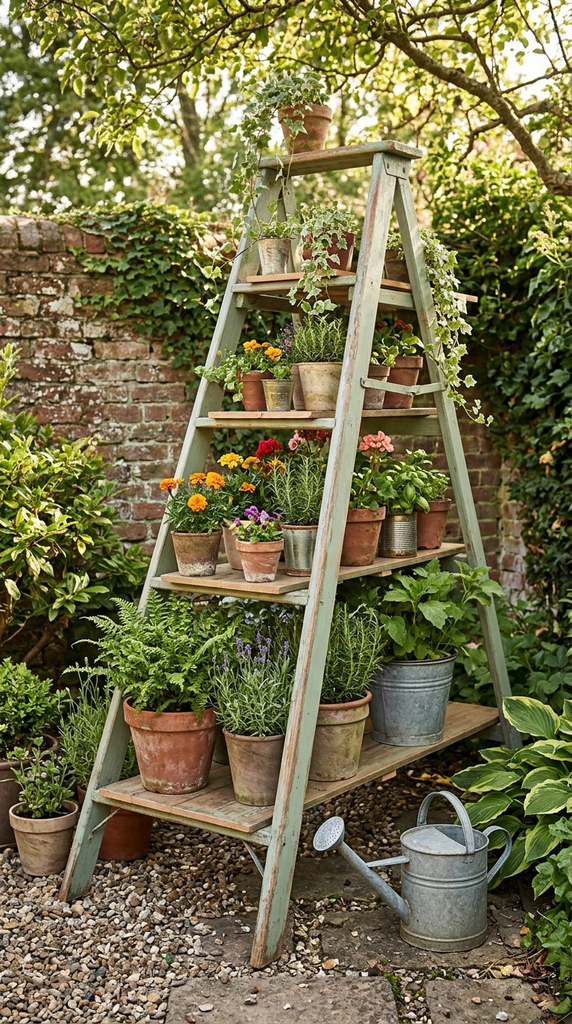
An unused wooden ladder can become a charming decorative feature while providing additional space for smaller plants. Its vertical structure makes it particularly suitable for compact gardens where ground-level planting areas are limited.
Choose a sturdy ladder in good condition and prepare the surface with an appropriate outdoor protective finish.
Paint it in soft sage green, muted blue, cream, or another shade that complements your garden’s color palette.
Use securely attached shelves or suitable planter holders to display herbs, trailing plants, and small flowering varieties.
Ensure the ladder is stable and properly secured before adding containers. Keep heavier pots near the bottom and avoid using damaged timber. This affordable DIY project can introduce rustic character while making excellent use of an empty garden corner.
17. Welcome Birds and Pollinators Into Your Garden
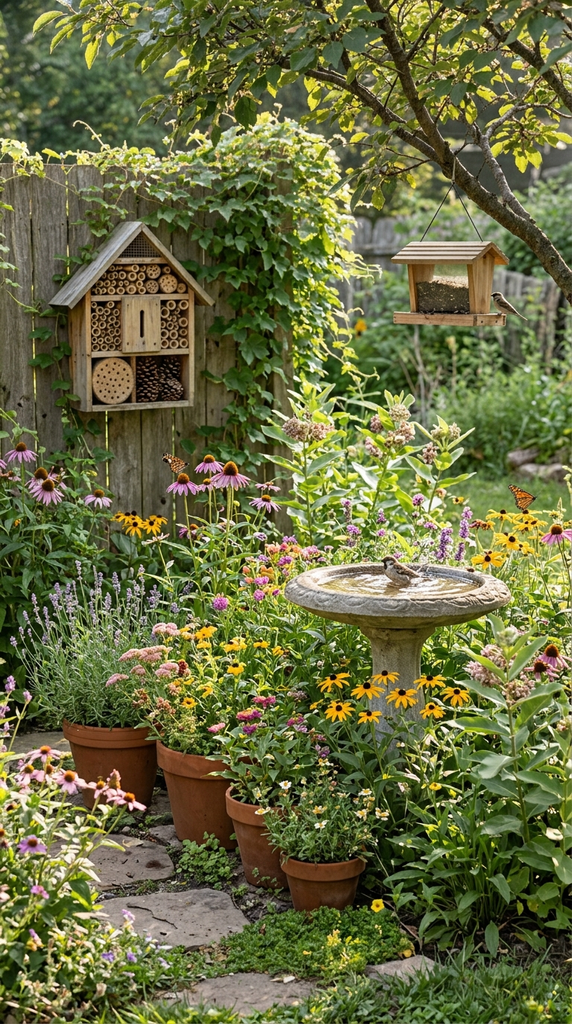
A small garden can become a valuable outdoor habitat when it includes features that support local wildlife. Encouraging birds, butterflies, and beneficial insects introduces natural movement and makes the garden feel more connected to its surroundings.
Choose flowering plants that provide nectar and pollen throughout different growing seasons. Native varieties suited to your region are often a helpful starting point.
Install a small bird feeder or shallow birdbath in an appropriate location and clean it regularly.
A well-designed insect shelter may also provide nesting opportunities for certain beneficial insects when properly maintained.
Avoid unnecessary pesticide use and provide a variety of plant textures and heights. Even a few carefully selected containers can contribute to a more wildlife-friendly outdoor environment.
18. Personalize Your Outdoor Space With Affordable DIY Decorations
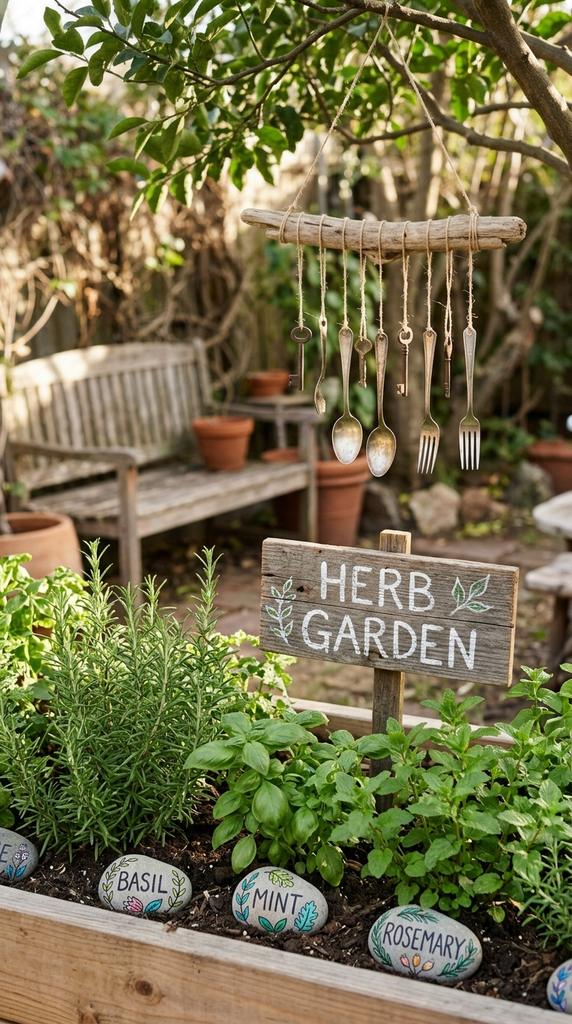
Handmade garden decorations are a wonderful way to introduce personality without spending heavily on new accessories. Small creative projects can transform ordinary materials into meaningful decorative features.
Paint smooth stones with plant names, simple botanical designs, or encouraging words to create charming garden markers.
Repurpose suitable reclaimed wood into decorative signs for your herb garden or seating area.
Old metal utensils, keys, or collected shells can be used to create a unique wind chime, provided the materials are securely attached and free from sharp edges.
Choose outdoor-safe paints and finishes that can withstand changing weather conditions.
Keep your decorations coordinated rather than filling every available surface. A few thoughtfully placed handmade accessories can make your garden feel personal, welcoming, and beautifully unique.
19. Select Compact Plants That Thrive in Small Gardens
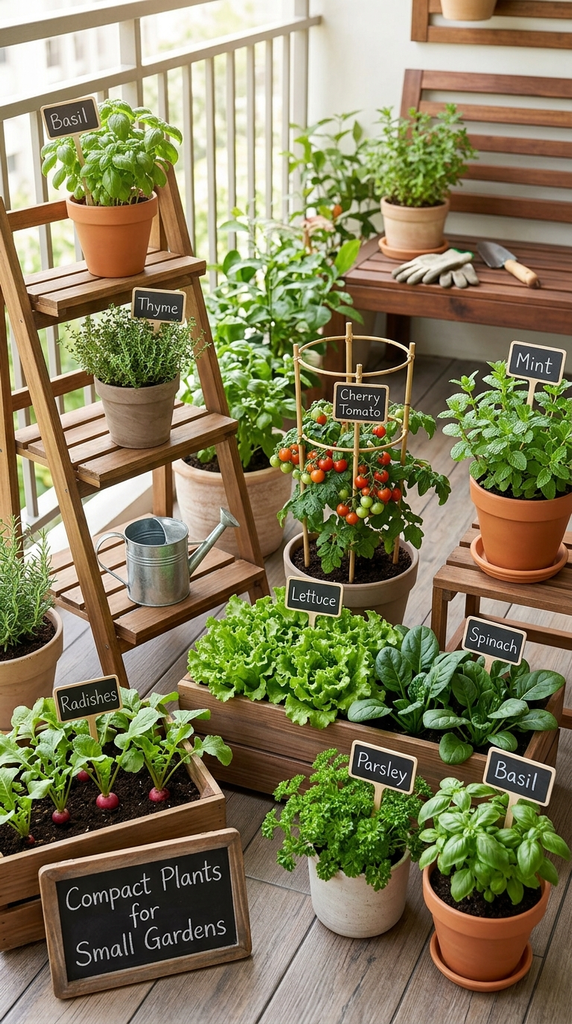
Choosing suitable plants is essential when creating a beautiful garden with limited space. Large or fast-spreading varieties can quickly overwhelm a compact area, making maintenance more challenging.
Look for dwarf, compact, or slow-growing plants that suit your local climate and available sunlight.
Herbs such as basil, thyme, and parsley can grow successfully in appropriately sized containers. Mint is best grown separately because of its spreading growth habit.
If you enjoy growing vegetables, consider compact cherry tomato varieties, lettuce, radishes, and spinach.
Marigolds, pansies, and petunias can introduce seasonal color, while suitable succulents offer an attractive option for sunny, well-drained locations.
Check each plant’s mature size, watering requirements, and preferred growing conditions before purchasing. Selecting the right varieties will help your garden remain attractive, manageable, and enjoyable throughout the seasons.

Hi, I’m Sarah, the founder and creative voice behind Grace Woven Living. I believe a beautiful home doesn’t have to be expensive or complicated. Through inspiring home decor ideas, practical organization tips, cozy styling, and intentional living, I hope to help you create a space that feels peaceful, welcoming, and uniquely yours. Grace Woven Living is rooted in creativity, gratitude, and finding beauty in everyday life.
A Beautiful Home. A Meaningful Life.