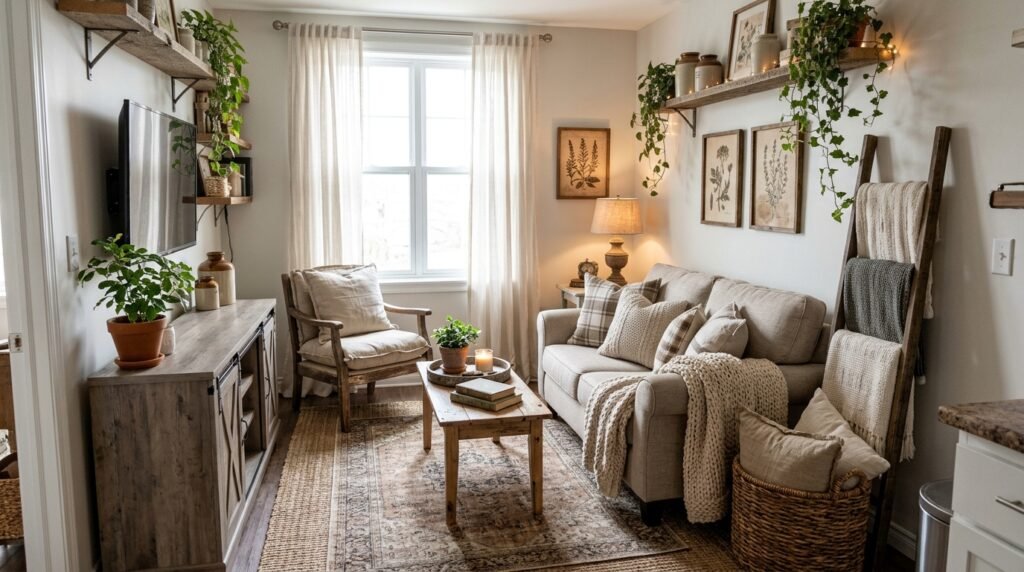

A thoughtfully designed work room can make everyday projects feel more enjoyable, organized, and inspiring. Whether you love painting, sewing, writing, crafting, or working from home, your surroundings should support your creativity without sacrificing comfort. The right combination of functional furniture, natural lighting, accessible storage, and cozy details can transform even a small room into a welcoming workspace. You do not need an expensive renovation to make meaningful improvements. These practical work room ideas will help you create an intentional space. Supplies will stay organized, inspiration will come naturally, and you can enjoy working on the projects that matter most to you.
1. Create a Bright Workspace Beside Large Windows
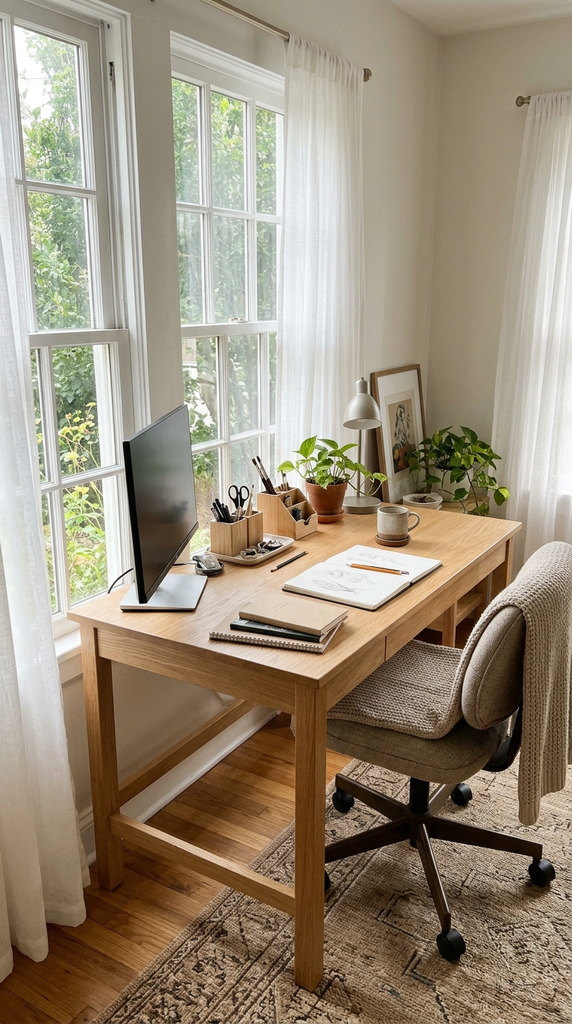
Positioning your desk near a large window is a wonderful way to introduce natural light into your creative workspace. A bright environment can make everyday activities such as sketching, journaling, and crafting feel more inviting.
Choose a wooden desk with a simple design. This allows daylight to flow throughout the room. Lightweight curtains or adjustable blinds can help manage glare when working on a computer.
Complete the arrangement with a supportive chair, a small desk organizer, and a few meaningful accessories. Position your monitor perpendicular to the window whenever possible. This helps minimize distracting reflections.
2. Invest in a Spacious Worktable With Integrated Storage
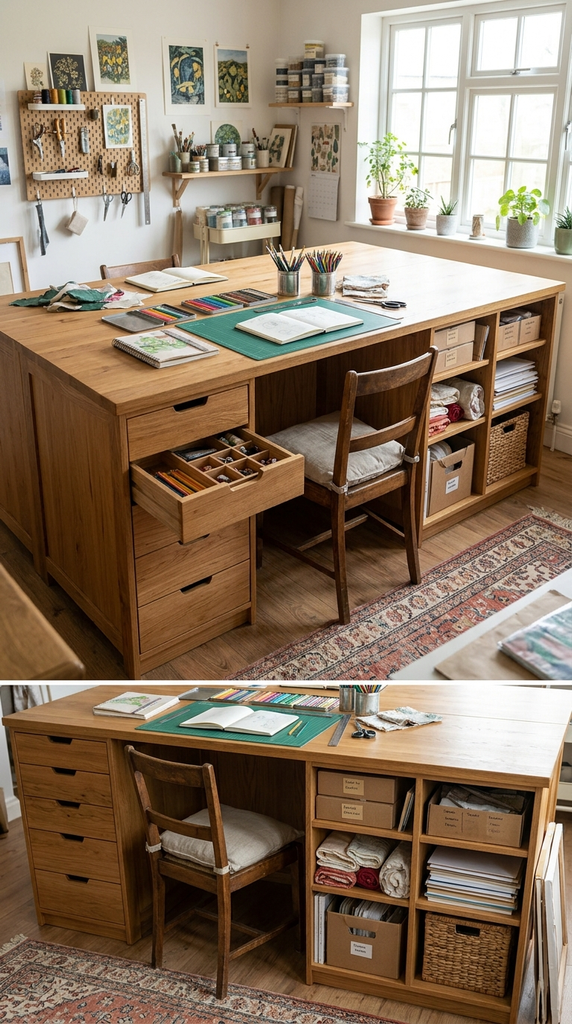
A large worktable with built-in drawers and shelves provides a practical foundation for creative activities. It gives you enough room to spread out materials while keeping frequently used supplies conveniently organized.
Look for a sturdy table with compartments that accommodate your specific hobbies. Shallow drawers work well for stationery and smaller tools, while deeper shelves can hold fabric, paper, and larger storage containers.
Choose a design that provides adequate legroom and comfortable access to your supplies. Add drawer dividers and coordinating baskets to make the workstation easier to maintain, even when you manage several projects at once.
3. Maximize Space With a Custom Desk and Built-In Shelving
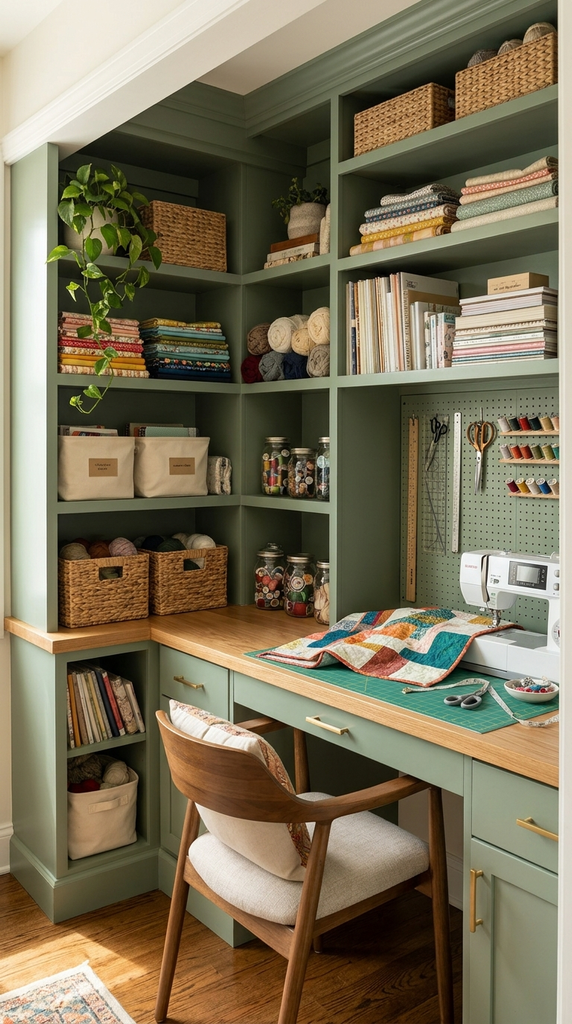
A built-in desk surrounded by thoughtfully arranged shelving can transform a compact room into a highly functional creative workspace. This arrangement is especially useful for sewing, scrapbooking, and other hobbies that require multiple materials.
Consider painting the cabinetry in a soothing shade of sage green, warm white, or muted beige to create a welcoming atmosphere. Organize fabrics, craft supplies, and stationery according to how frequently you use them.
Reserve the main desktop for your current project rather than permanent storage. This simple habit helps maintain an organized environment where you can begin working without unnecessary preparation.
4. Experiment With a Japanese-Inspired Low Worktable
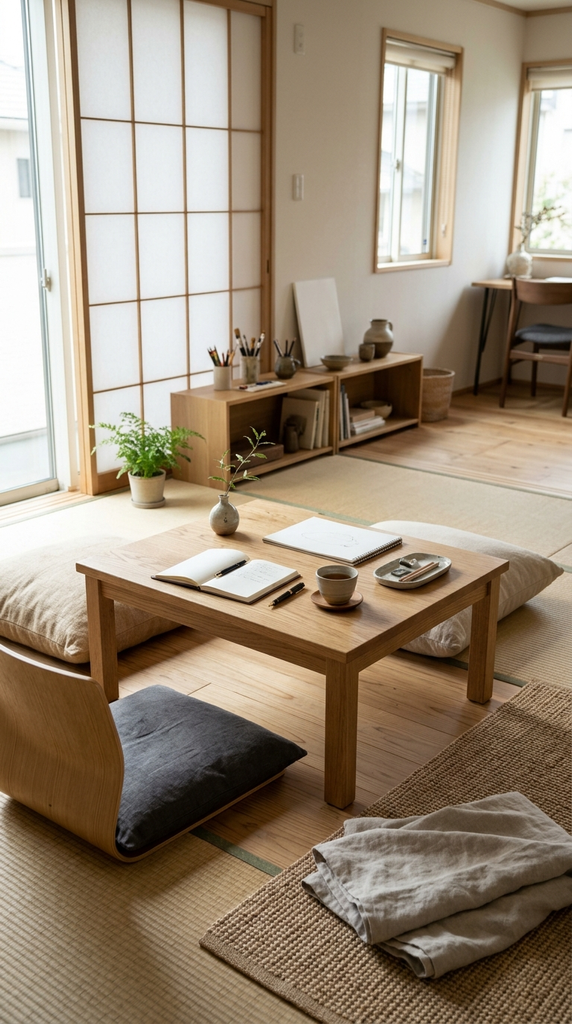
A low wooden table can bring simplicity and tranquility to a minimalist work room. Inspired by traditional Japanese interiors, this arrangement works well for journaling, drawing, and quiet creative activities.
Pair the table with a comfortable floor cushion, a supportive floor chair, and a natural woven mat. Keep decorative accessories understated to preserve the peaceful atmosphere.
Floor seating may not suit everyone or feel comfortable, especially during extended sessions. Alternate between seating positions and take regular movement breaks. Consider keeping a conventional desk available for activities that require more ergonomic support.
5. Make a Central Craft Table the Heart of Your Work Room
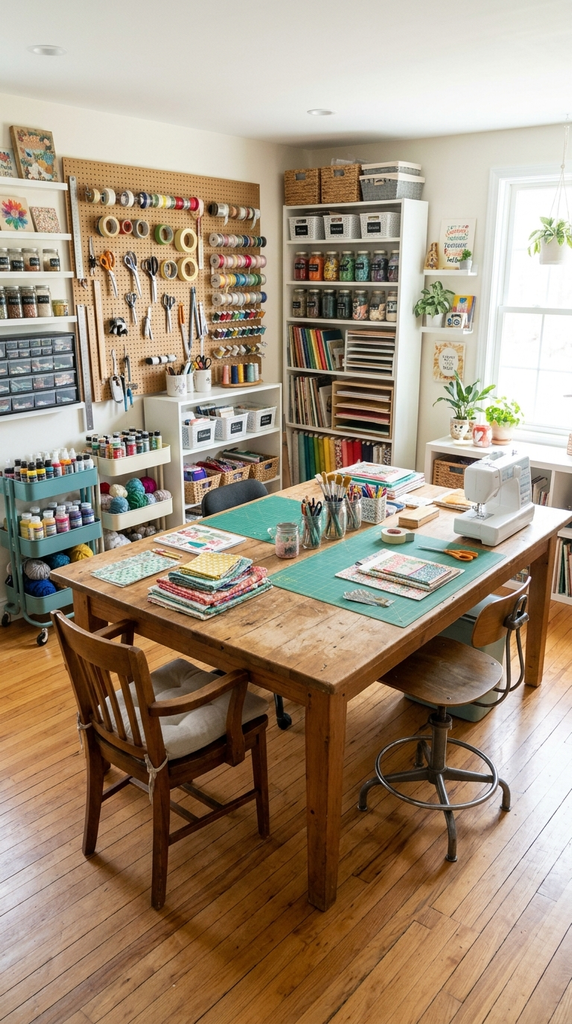
A generous central table creates a dedicated space for spreading out materials and planning projects. It also supports experimenting with new creative ideas. The table is especially useful in multipurpose craft rooms where different activities take place throughout the week.
Surround the table with wall-mounted storage, organized supply containers, and a few comfortable chairs. Choose a durable tabletop that can withstand your preferred crafting activities.
Leave sufficient walking space around the table so you can access materials from different sides. A protective craft mat can also help prevent scratches, paint stains, and everyday wear while keeping the surface easy to clean.
6. Surround Your Desk With Functional Storage
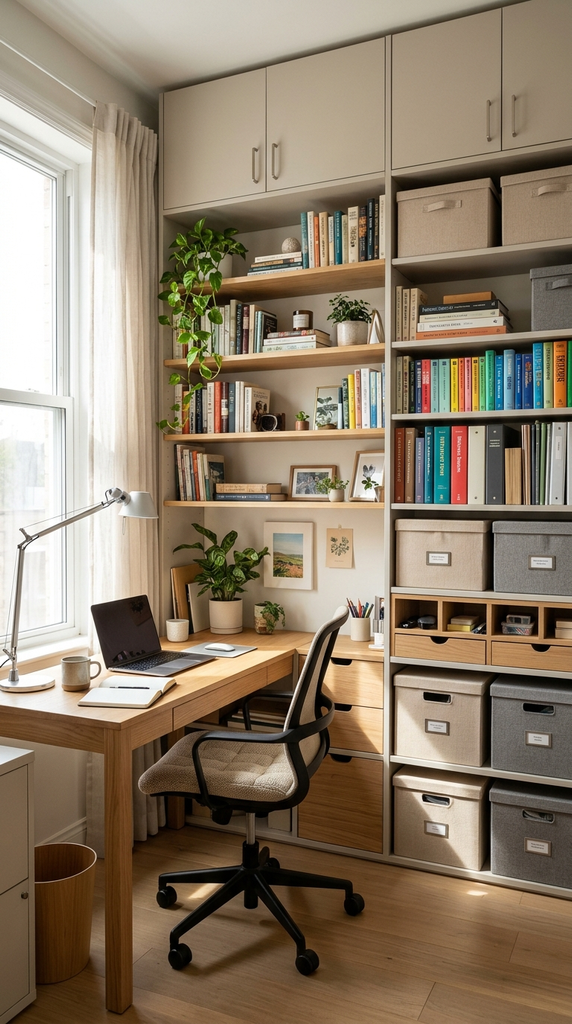
Make the most of limited floor space by adding storage above and beside your desk. Open shelves and closed cabinets can hold reference books, office supplies, and personal belongings without requiring additional furniture.
Keep frequently used items on accessible shelves and store seasonal or occasional supplies in higher compartments. Coordinating storage boxes can help create a visually cohesive arrangement.
Position your desk near a natural light source whenever possible, and supplement it with an adjustable task lamp. This combination supports different activities throughout the day while maintaining a comfortable and inviting work environment.
7. Choose an Oversized Studio Table for Ongoing Projects

Artists and dedicated hobbyists often benefit from a large work surface. Unfinished projects can remain undisturbed there. An oversized studio table lets you organize materials according to your creative process instead of packing everything away after each session.
Look for a stable table with a durable surface that suits your preferred medium. A protective covering can be particularly useful when working with paint, adhesives, or other messy materials.
Create separate areas for active projects, tools, and completed pieces. Dividing the tabletop into functional zones helps prevent unnecessary clutter while allowing you to move naturally between different stages of your work.
8. Frame Your Workspace With Built-In Bookshelves
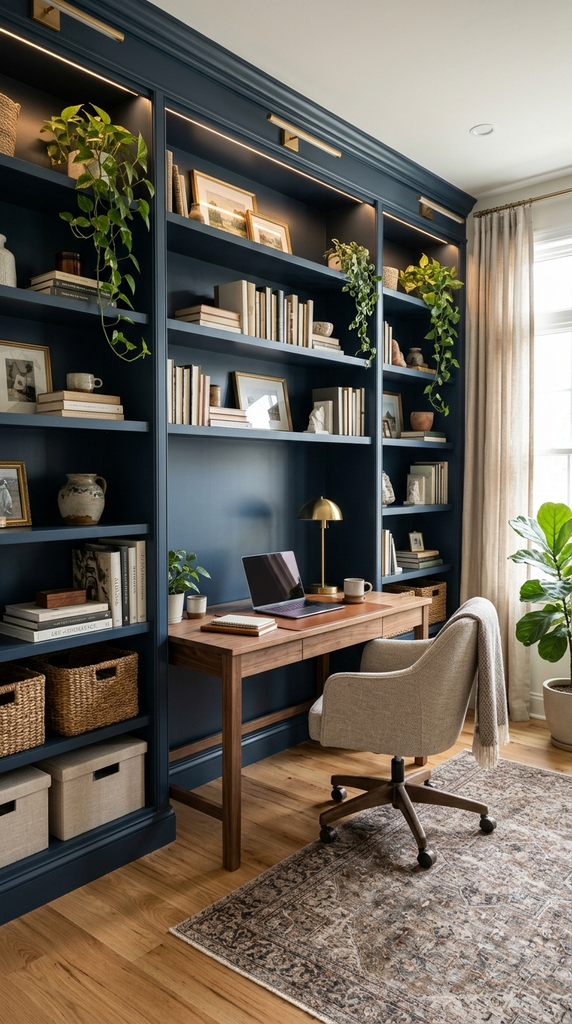
Built-in bookshelves can give a home workspace a polished, personalized appearance. They also provide valuable storage. Arranging shelving around a desk makes it easier to access reference materials without interrupting your creative routine.
Use the shelves to display books, framed artwork, decorative ceramics, and carefully selected keepsakes. Balance these items with practical storage containers to maintain an organized appearance.
Choose shelf heights that accommodate the materials you use most frequently. Keep heavier belongings on lower shelves and lightweight decorative pieces above. This thoughtful arrangement combines everyday convenience with the welcoming character of a beautifully styled home office.
9. Set Up a Durable Workbench With Accessible Storage

A sturdy wooden workbench is an excellent addition to a dedicated hobby room or home workshop. Its generous surface can accommodate hands-on projects, while integrated storage helps keep equipment and materials organized.
Install a pegboard above the workbench to hold frequently used tools. Lower shelves can accommodate larger containers, while drawers provide convenient storage for smaller accessories.
Select a workbench height that suits your most common activities. Whether you sit or stand, arrange the space for comfortable movement and easy access to supplies. Keep the surrounding floor clear and provide adequate lighting for detailed tasks.
10. Create a Versatile Workspace With a Stainless Steel Table
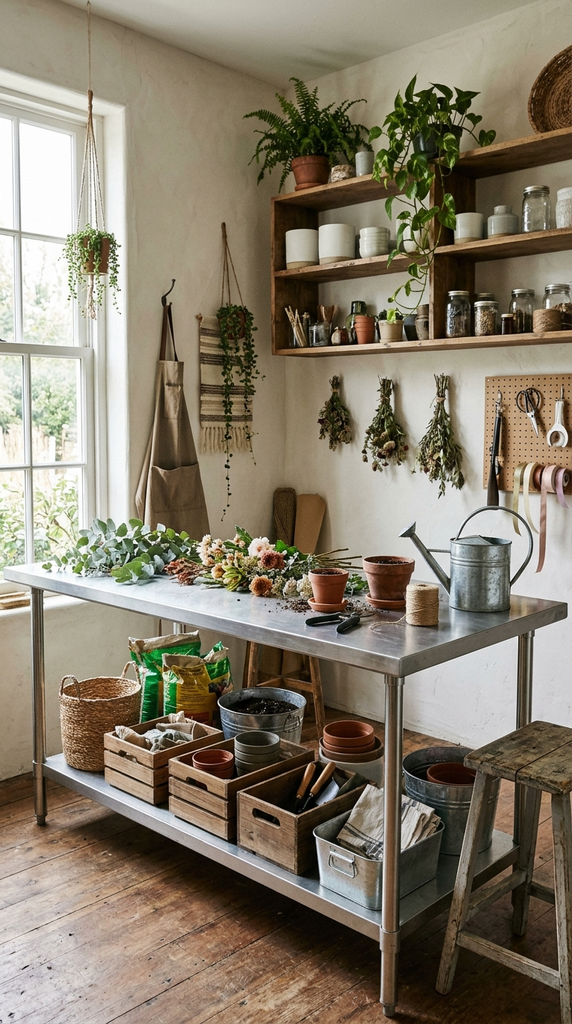
A stainless steel worktable offers a practical alternative to traditional wooden furniture, particularly for creative activities involving water, soil, or materials that require frequent cleaning.
This type of table works beautifully in floral arranging rooms, gardening studios, and multipurpose craft spaces. Its smooth surface is generally easy to wipe clean. Integrated lower shelving also provides convenient storage for containers and supplies.
Soften the industrial appearance with wooden shelving, neutral walls, and natural decorative accents. Organize materials into designated containers beneath the table. This keeps the main surface available for your projects. The result is a workspace that balances practicality with understated style.
11. Transform an Attic Into a Light-Filled Workspace
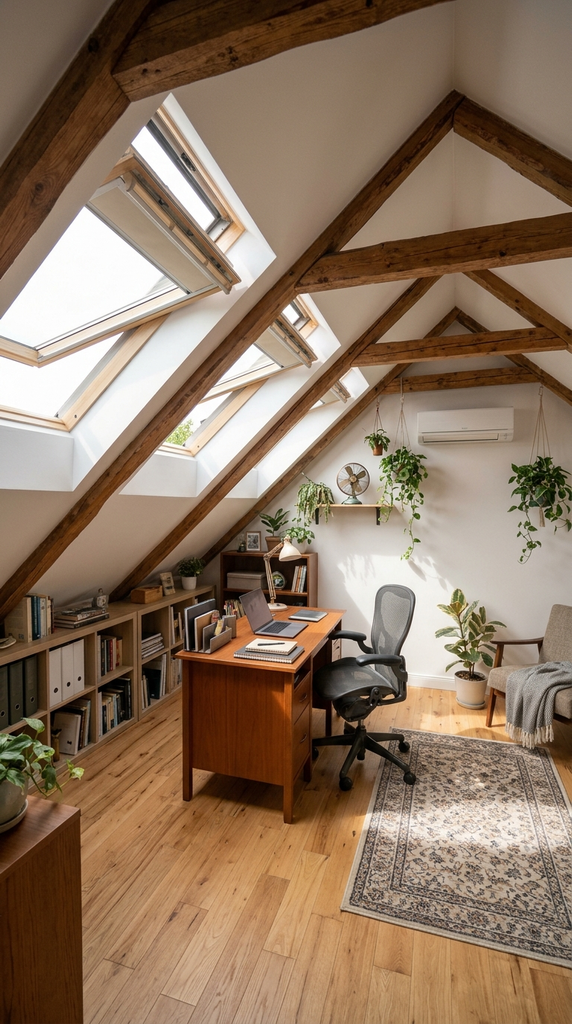
An unused attic can become a charming home office or creative retreat. Skylights can bring daylight into the room. Sloped ceilings and architectural details can add personality to an otherwise simple workspace.
Position your desk where you have comfortable headroom and sufficient space to move around. Adjustable blinds or skylight shades can help control brightness and heat during sunny afternoons.
Choose compact furniture that complements the room’s proportions, and add a supportive office chair for computer-based activities. Proper ventilation and temperature control also help keep an attic workspace comfortable throughout the year. Supplemental lighting is important, too.
12. Prioritize Comfort With a Supportive Office Chair
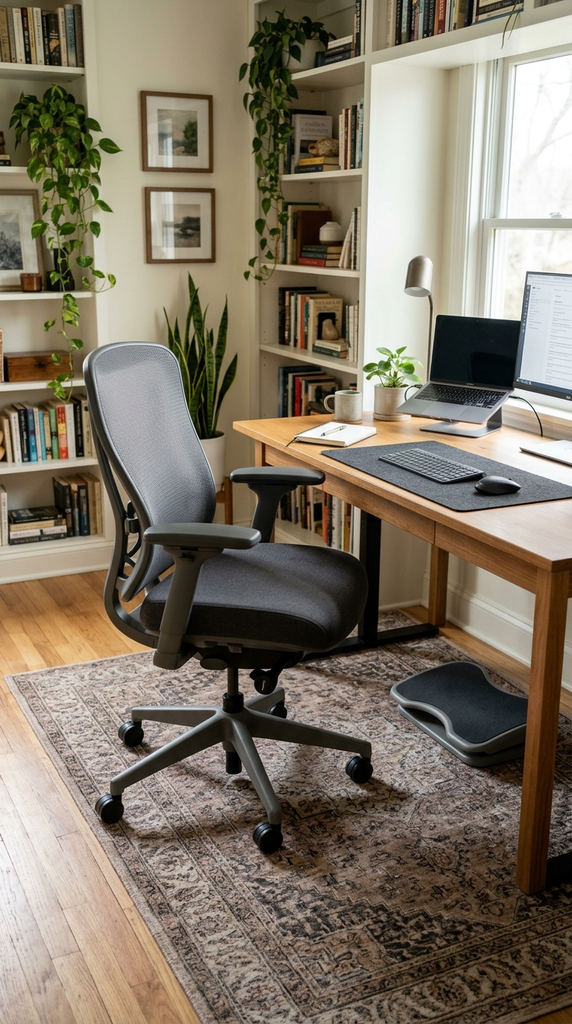
A thoughtfully selected office chair is one of the most practical investments you can make when designing a work room. Although appearance matters, comfort and adjustability should take priority. This is especially true when you spend several hours at your desk.
Look for adjustable seat height, suitable lumbar support, and a seat that allows your feet to rest comfortably on the floor or a footrest. Choose upholstery that complements your room’s overall aesthetic.
A low-pile rug or appropriate chair mat can protect the flooring beneath your workstation. Remember that even a supportive chair cannot replace regular movement breaks and changes in working position.
13. Introduce a Rolling Craft Island for Flexible Organization
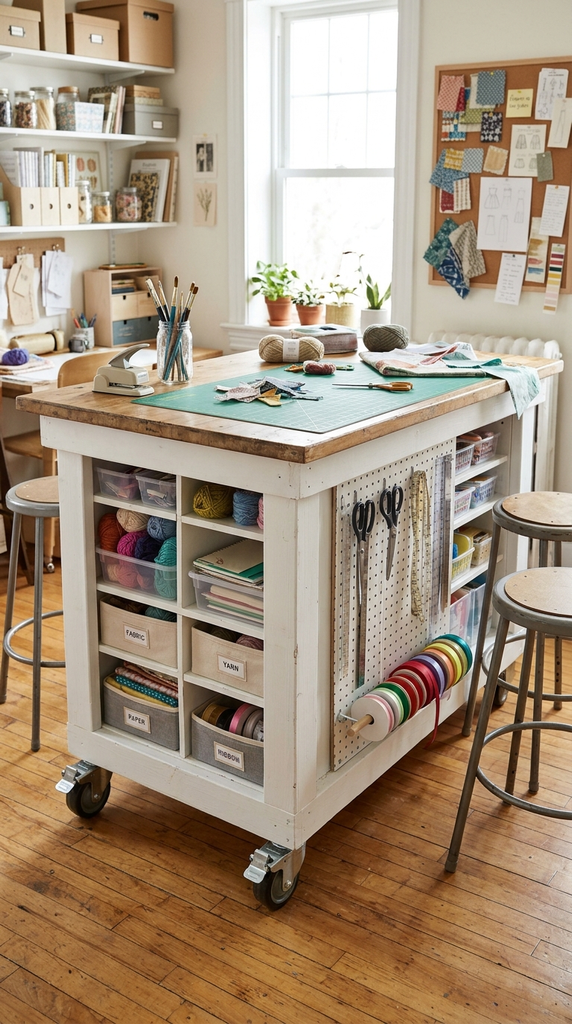
A mobile craft island provides additional workspace and convenient storage. It does not permanently occupy one area of the room. This flexible furniture piece is particularly useful for sewing, painting, and family craft activities.
Choose an island with compartments for fabric, yarn, paper, and other frequently used materials. Clear or labeled containers can make supplies easier to identify and return after each project.
Look for sturdy wheels with locking mechanisms so the island remains stable during use. When you need additional floor space, simply move it to another suitable location. This adaptable arrangement works especially well in rooms that serve multiple purposes.
14. Design a Cozy Desk Area Overlooking the Outdoors
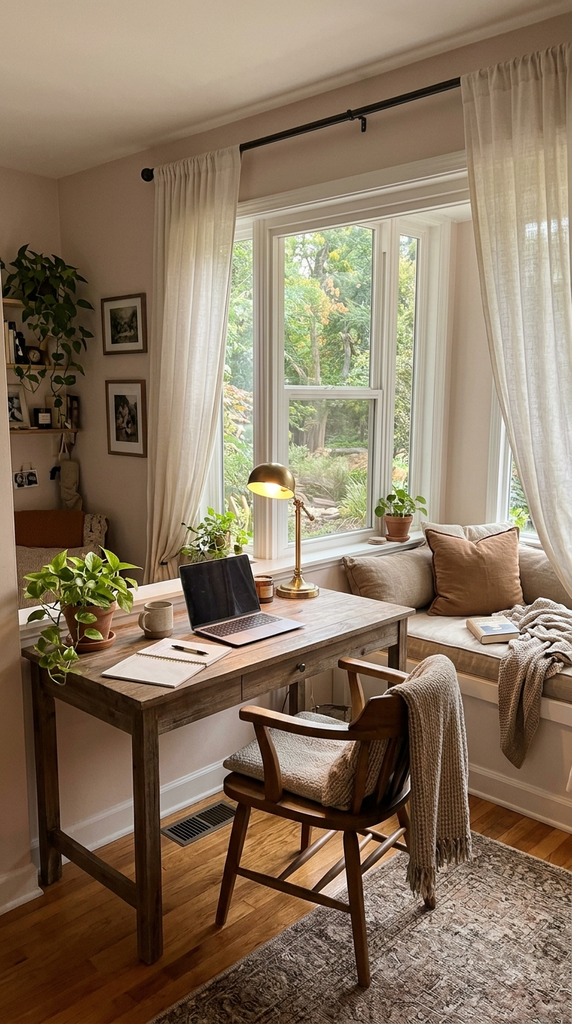
A desk beside a window can make your work room feel more connected to the outdoors. Natural scenery adds a refreshing element, especially when you spend much of your day indoors.
Choose a desk that fits comfortably beneath or beside the window without interfering with its operation. Add light-filtering curtains, a small plant, and a warm task lamp to create a welcoming atmosphere.
If space permits, incorporate a cushioned window seat nearby for reading or reviewing project notes. Take occasional breaks from close-up work by looking into the distance. Also, change your position throughout the day.
15. Create a Sophisticated Workspace With Moody Wall Colors

Deep wall colors can give a creative work room a distinctive, intimate atmosphere. Charcoal, forest green, navy, and rich espresso shades work well in spaces designed for photography, writing, or digital creative work.
Balance darker walls with warm wooden furniture and thoughtfully positioned lighting. An adjustable desk lamp and soft ambient lighting can prevent the room from feeling excessively dim.
Keep decorative accessories intentional by choosing a small collection of framed artwork or meaningful photographs. For screen-based activities, adjust monitor brightness to suit the surrounding environment. Dark colors create a beautiful aesthetic, but adequate lighting remains essential. It supports comfortable everyday work.
16. Display Creative Materials on Open Studio Shelving
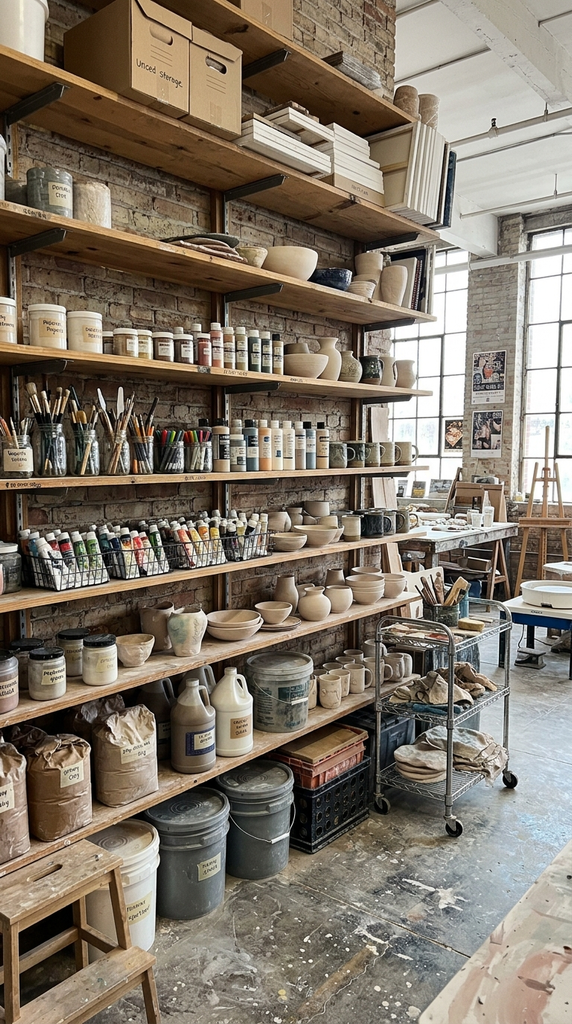
Open shelving makes it easy to identify and access materials in a busy creative studio. It is especially practical for pottery, painting, and other hobbies. These hobbies involve supplies or unfinished pieces that need dedicated storage.
Choose sturdy shelves appropriate for the weight of your materials. Arrange frequently used supplies at accessible heights, and reserve lower shelves for heavier containers.
A rolling storage rack can provide additional flexibility when moving projects between different workstations. Leave sufficient space between items to prevent overcrowding and accidental damage. For dusty or potentially hazardous materials, use appropriate enclosed storage. Also, follow relevant handling and ventilation requirements.
17. Turn the Space Under Your Stairs Into a Functional Work Nook

The area beneath a staircase can offer valuable space for a compact home office or creative corner. With thoughtful planning, this often overlooked area can accommodate a desk, shelving, and comfortable seating.
Install shallow shelves to hold notebooks, stationery, and small storage baskets. Choose a desk that fits the available dimensions while providing adequate legroom and head clearance.
Wall-mounted lighting can illuminate the workspace without occupying valuable desktop space. Add a few personal touches, such as framed artwork or a small decorative plant. This arrangement is ideal for homes without a separate work room.
18. Organize Your Studio Around a Central Project Station
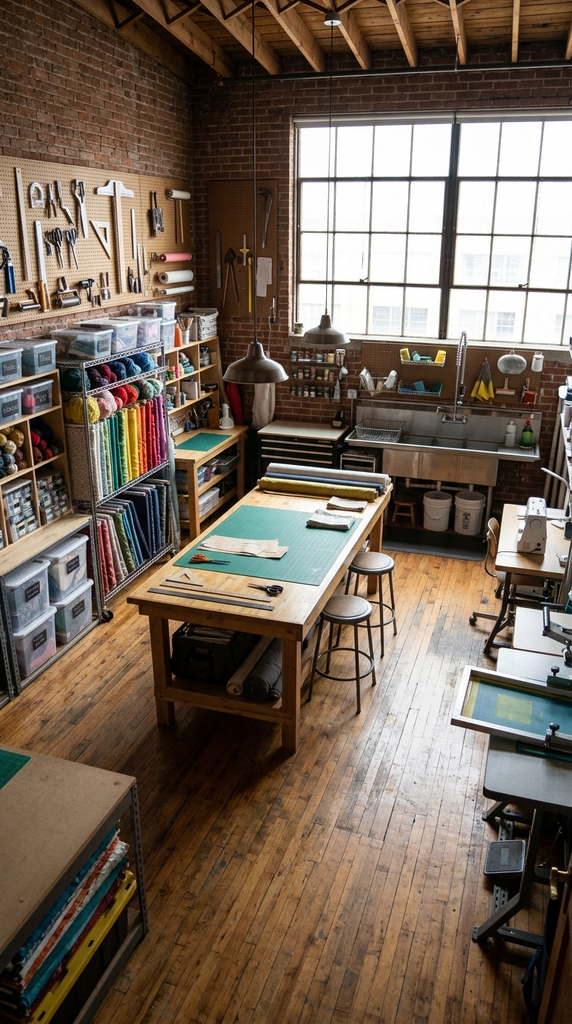
A well-planned creative studio benefits from a clearly defined main workstation. Whether you work with textiles, printmaking, or other hands-on projects, positioning the primary work surface centrally can improve the room’s overall flow.
Arrange storage along surrounding walls so materials remain accessible without crowding the main station. If your creative activities require water or frequent cleaning, consider a suitable utility area nearby.
Maintain unobstructed pathways between workstations and storage areas. Group equipment according to each stage of your creative process. This can reduce unnecessary rearranging and ease transitions between preparation, production, and cleanup.
19. Add a Comfortable Lounge Chair for Creative Breaks
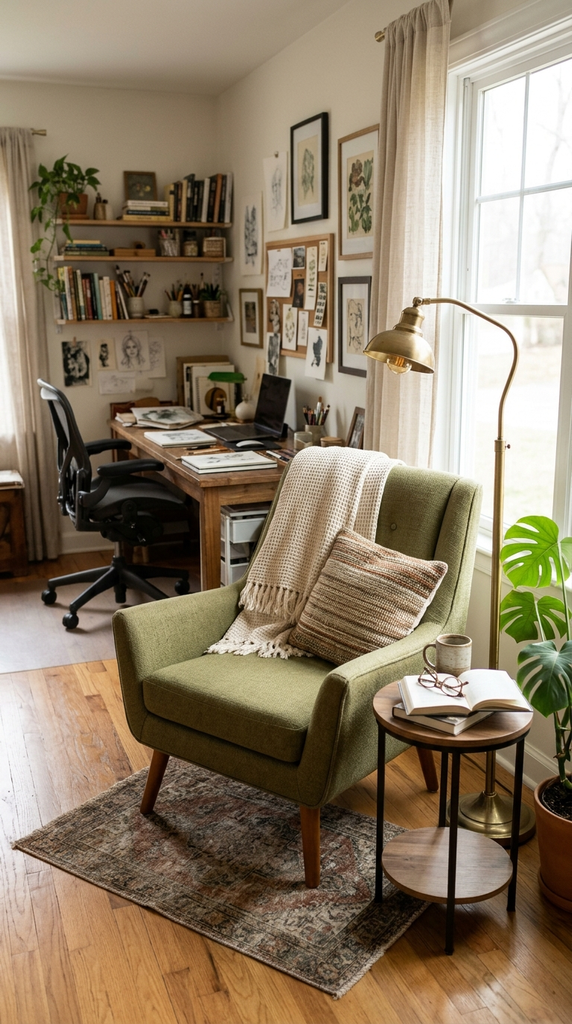
A creative work room does not need to revolve entirely around a desk. Add a comfortable lounge chair to create a separate area. There, you can read, reflect, review ideas, or simply enjoy a short break.
Choose a chair that complements your existing furniture without overwhelming the room. A textured cushion, lightweight throw, and small side table can make the corner feel especially inviting.
Position the chair near natural light or provide a dedicated reading lamp. A lounge area offers a welcome change of scenery. However, take standing and walking breaks instead of spending the entire day seated in different chairs.
20. Build an Organized Workshop With Under-Bench Storage
A substantial workbench with storage underneath can help keep a dedicated workshop organized and ready for everyday projects. This arrangement is particularly useful for woodworking, furniture restoration, and other hands-on hobbies.
Use lower shelves for larger supplies and sturdy containers, while keeping smaller tools in organized drawers. Wall-mounted storage can provide additional space without reducing the available work surface.
Choose materials that can withstand the demands of your activities. Provide adequate lighting, ventilation, and appropriate protective equipment for your projects. Also, keep walkways free of loose materials and regularly clean the workstation. These steps can contribute to a safer, more manageable workshop.
21. Incorporate a Piano Into Your Creative Retreat
If music is part of your everyday life, incorporate a piano into your work room. This creates a meaningful, multipurpose creative space. The arrangement works well for musicians, writers, composers, and anyone who enjoys alternating between artistic activities.
Position the piano where it does not obstruct access to your primary desk or storage areas. Keep sheet music organized and provide a comfortable piano bench with suitable lighting.
Complement the arrangement with wooden furniture, soft textiles, and understated decorative accents. Consider the room’s acoustics, temperature, and humidity when selecting a location. This matters especially if you own an acoustic piano.
22. Simplify Craft Room Organization With Labeled Storage Bins
Labeled storage bins are a practical and affordable solution for keeping creative supplies organized. They work particularly well in shared family craft rooms where several people need access to different materials.
Sort supplies into clear categories, such as paper, fabric, brushes, stationery, and painting accessories. Choose containers that are easy to open, carry, and return to their designated locations.
For younger children, consider picture labels alongside simple words to make organization easier. Keep age-appropriate supplies within reach and store sharp tools or unsuitable materials securely. A consistent storage system encourages everyone to help maintain a tidy, welcoming creative environment.
23. Create a Library-Inspired Work Room With Floor-to-Ceiling Shelves
Floor-to-ceiling bookshelves can transform an ordinary work room into an elegant home library. They also create a creative retreat. This arrangement is ideal for readers, researchers, writers, and anyone who needs convenient access to reference materials.
Combine warm wooden shelving with a spacious desk, supportive seating, and layered lighting. Arrange books according to subject or purpose, and use closed storage compartments for less visually appealing office supplies.
Leave enough space between the desk and shelving to maintain comfortable movement. Secure tall shelving appropriately and keep heavier items on lower levels. Thoughtful organization allows the room to feel sophisticated without becoming visually overwhelming.
24. Make the Most of Vertical Space With Pegboards and Floating Shelves
Vertical wall storage maximizes a small work room. It preserves valuable desktop space. Pegboards, floating shelves, and wall-mounted organizers hold frequently used supplies while adding decorative character.
Use hooks to organize lightweight tools and small baskets to contain stationery or crafting accessories. Shallow shelves can display reference books, jars, and carefully selected decorative pieces.
Choose a coordinated color palette to create a cohesive appearance. Install storage according to the wall’s construction and recommended weight limits. Keep the arrangement flexible so you can adjust it as your creative interests and storage needs evolve.

Hi, I’m Sarah, the founder and creative voice behind Grace Woven Living. I believe a beautiful home doesn’t have to be expensive or complicated. Through inspiring home decor ideas, practical organization tips, cozy styling, and intentional living, I hope to help you create a space that feels peaceful, welcoming, and uniquely yours. Grace Woven Living is rooted in creativity, gratitude, and finding beauty in everyday life.
A Beautiful Home. A Meaningful Life.